Introduction
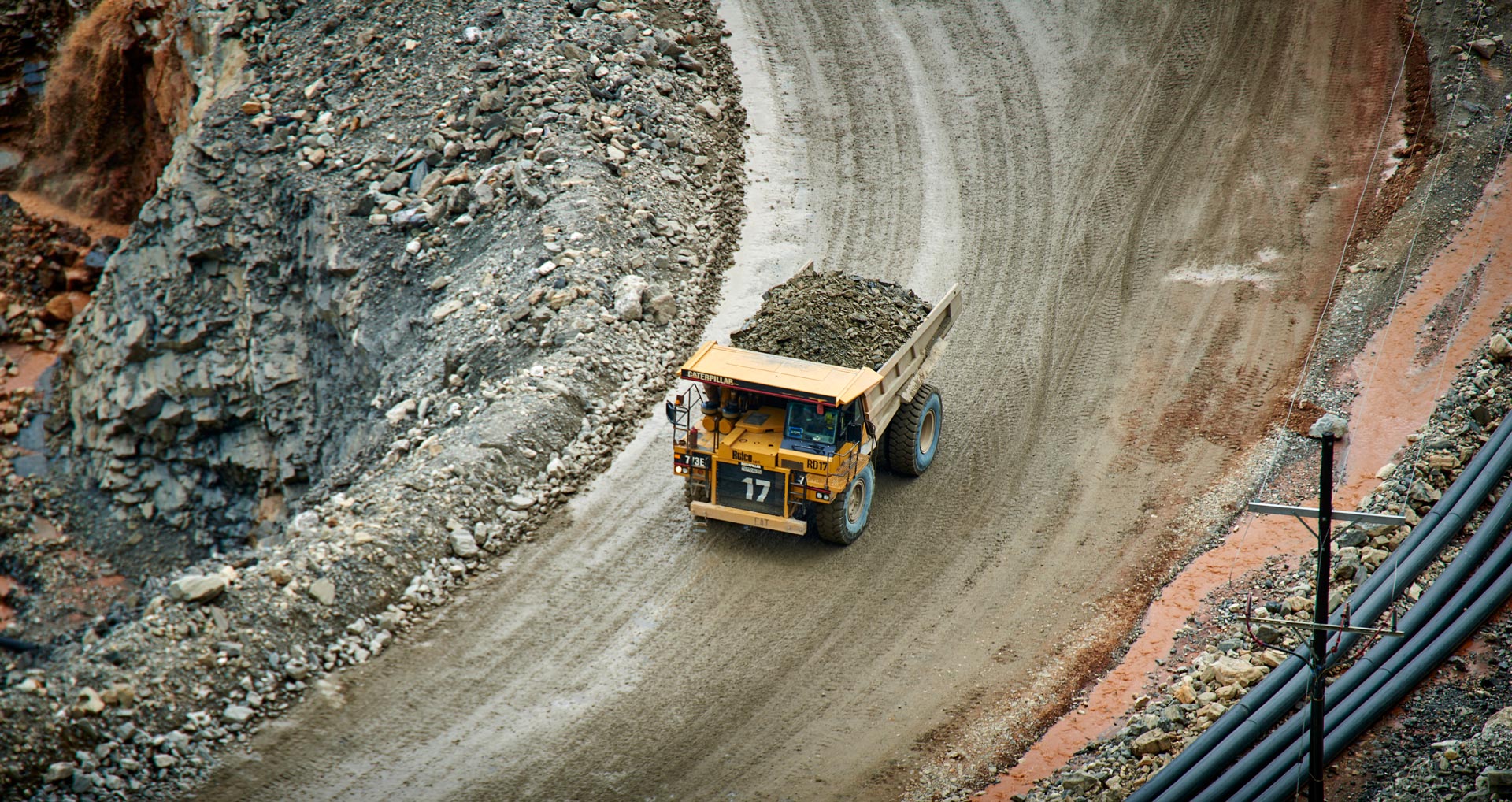
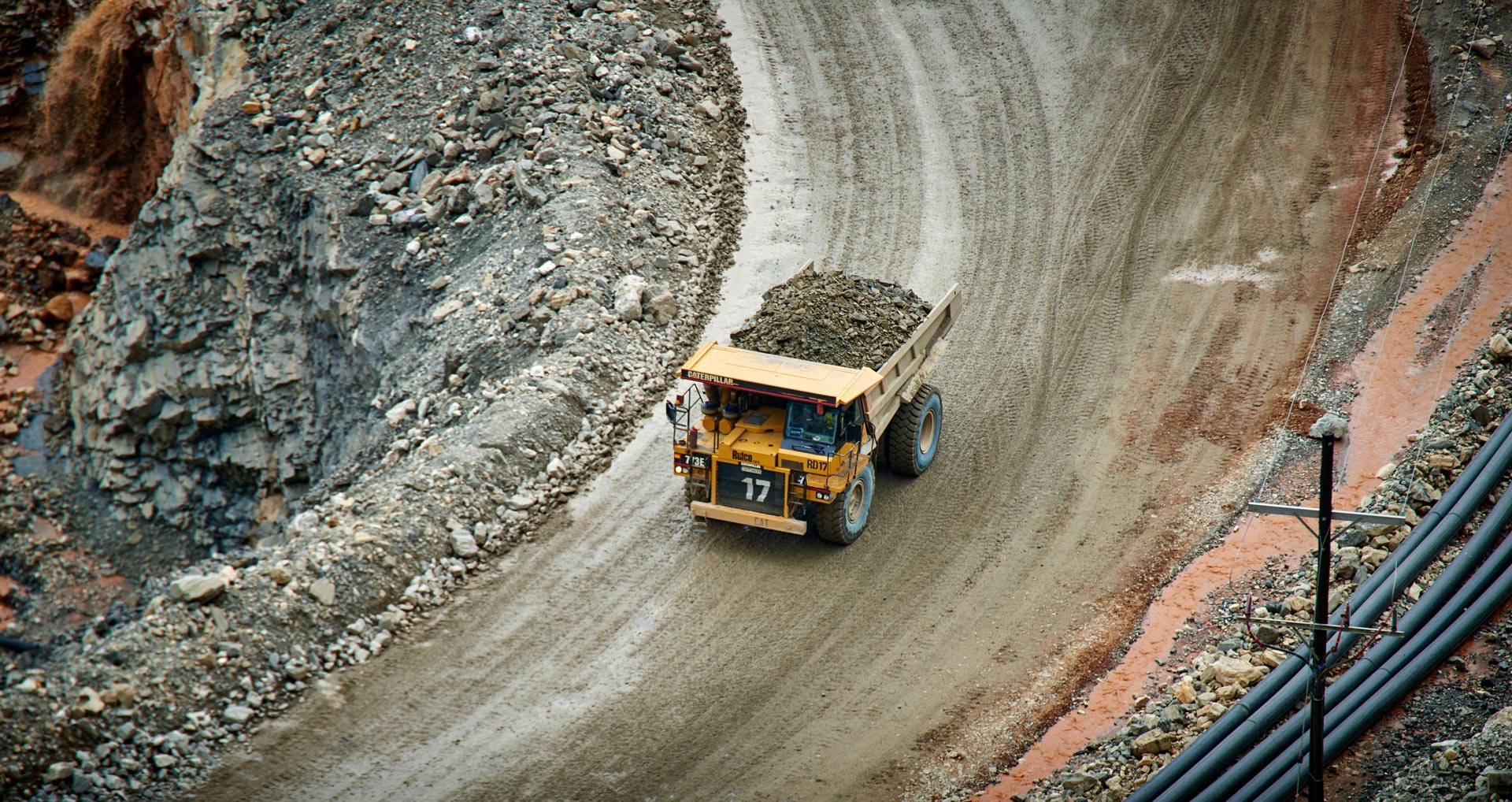
The Democratic Republic of Congo (DRC) is Africa’s leading mining destination, boasting some of the world’s richest deposits of cobalt, copper, and lithium. With global demand for electric vehicles, renewable energy storage, and high-tech electronics rising, the DRC’s mineral sector has never been more attractive to investors.
However, mining in the DRC requires a thorough understanding of legal, regulatory, and operational frameworks. This 2025 guide provides a roadmap for foreign investors looking to capitalize on the DRC’s mineral wealth while ensuring compliance with local laws.
1. Overview of the DRC Mining Sector
The DRC is home to over 70% of global cobalt reserves, significant copper deposits, and emerging lithium resources. Key provinces for mining include:
- Katanga (Haut-Katanga and Lualaba): Copper and cobalt production hub
- Maniema and North-Kivu: Artisanal and semi-industrial mining of cobalt and gold
- Tanganyika: Lithium exploration and extraction opportunities
The government encourages foreign investment through the DRC Mining Code, which provides licensing procedures, royalties, and incentives for large-scale projects.
2. Legal and Regulatory Framework
Mining operations in the DRC are regulated by:
a. Mining Code 2018 (Updated 2023–2025)
Key provisions include:
- Licensing and exploration requirements
- Environmental and social obligations
- Local content requirements and revenue-sharing mechanisms
b. Permits and Licenses
Investors must obtain:
- Exploration Permit (Permis de Recherche): Valid for up to 5 years, renewable
- Exploitation License (Permis d’Exploitation): Required for commercial mining activities
- Small-Scale Mining Permit (Permis Artisanal): For artisanal or semi-industrial operations
c. Environmental Compliance
An Environmental and Social Impact Assessment (ESIA) is mandatory before exploitation. The Ministry of Environment oversees compliance with environmental standards.
3. Investment Process for Foreign Companies
Foreign investors must follow these steps to operate legally in the DRC mining sector:
- Register a Company in the DRC
- Typically as a SARL or SA under OHADA law
- Obtain a Tax Identification Number (NIF) and register with CNSS
- Apply for Mining Permits
- Submit technical and financial documentation to the Mining Cadastre (CAMI)
- Provide feasibility studies and exploration plans
- ANAPI Investment Facilitation
- ANAPI assists foreign investors with permits, tax incentives, and land access
- Priority sectors such as cobalt and lithium receive special facilitation
- Compliance with DRC Mining Code
- Adhere to local content, employment quotas, and corporate social responsibility requirements
4. Key Minerals: Cobalt, Copper, and Lithium
Cobalt
- Essential for electric vehicle batteries and electronics
- The DRC produces over 60% of global cobalt supply
- Opportunities exist in both large-scale and artisanal mining operations
Copper
- The DRC is the world’s 8th largest copper producer
- Used in electrical infrastructure and industrial applications
- Copper projects often complement cobalt operations in the same mining sites
Lithium
- Critical for lithium-ion batteries powering renewable energy storage
- Emerging mining sites are concentrated in Tanganyika province
- Early-stage exploration offers high growth potential for investors
5. Taxation and Royalties in DRC Mining
Understanding DRC mining taxation is crucial for profitability:
- Corporate Income Tax: 30% on profits
- Mining Royalty: 2–3.5% for cobalt and copper (based on commodity prices)
- Withholding Tax: 20% on dividends for foreign shareholders
- Value Added Tax (VAT): 16% on goods and services used in mining
Foreign investors should also leverage double taxation treaties and ANAPI incentives to optimize tax efficiency.
6. Financing and Foreign Exchange Considerations
- All foreign currency transactions must be processed through approved banks
- Capital and profit repatriation are permitted once taxes are settled
- Mining projects often require a combination of equity investment, debt financing, and joint ventures with local partners
7. Risks and Challenges
Investing in DRC mining comes with risks:
- Regulatory Complexity: Multiple ministries oversee licensing, tax, and environmental compliance
- Infrastructure Limitations: Transport and energy shortages can affect operations
- Artisanal Mining Conflicts: Local informal miners may pose security and operational challenges
- Global Price Volatility: Mining revenues are subject to commodity price fluctuations
Mitigation Strategies:
- Partner with experienced local legal and consulting firms
- Conduct thorough due diligence and risk assessments
- Maintain transparent operations to comply with international ESG standards
8. Opportunities for Strategic Investors
- Vertical integration of cobalt, copper, and lithium supply chains
- Investment in processing and smelting facilities to add value locally
- Collaboration with renewable energy and EV battery manufacturers
- Access to regional export markets in SADC and Africa
Investors who plan strategically can achieve high returns while supporting sustainable development in the DRC.
Conclusion
Investing in DRC mining in 2025 presents a high-reward opportunity for foreign companies focused on cobalt, copper, and lithium. Success depends on understanding the legal framework, obtaining proper permits, complying with tax and environmental regulations, and leveraging ANAPI investment DRC support.
By adopting a structured approach, conducting due diligence, and maintaining local partnerships, investors can capitalize on the DRC’s mineral wealth while navigating operational risks effectively.