Introduction
Africa is often described as the continent most vulnerable to climate change — yet it is also one of the best-positioned to lead the global shift towards a green economy. With abundant renewable energy resources, vast agricultural potential, and increasing access to climate finance, Africa is becoming a hotspot for green investment opportunities.
As global investors shift their focus towards Environmental, Social, and Governance (ESG) principles, Africa presents a unique proposition: high growth potential combined with the ability to deliver measurable environmental and social impact. This is more than an environmental imperative — it’s a profitable business frontier.
Why Green Investments in Africa are the Future
- Untapped Renewable Energy Potential
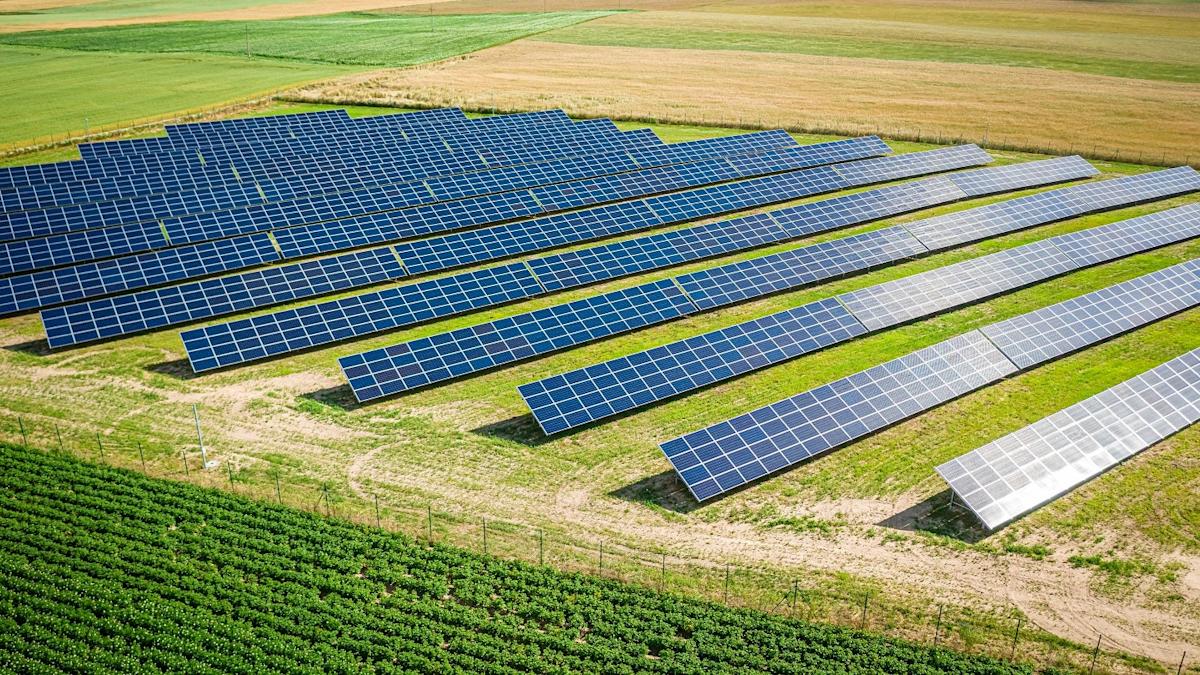
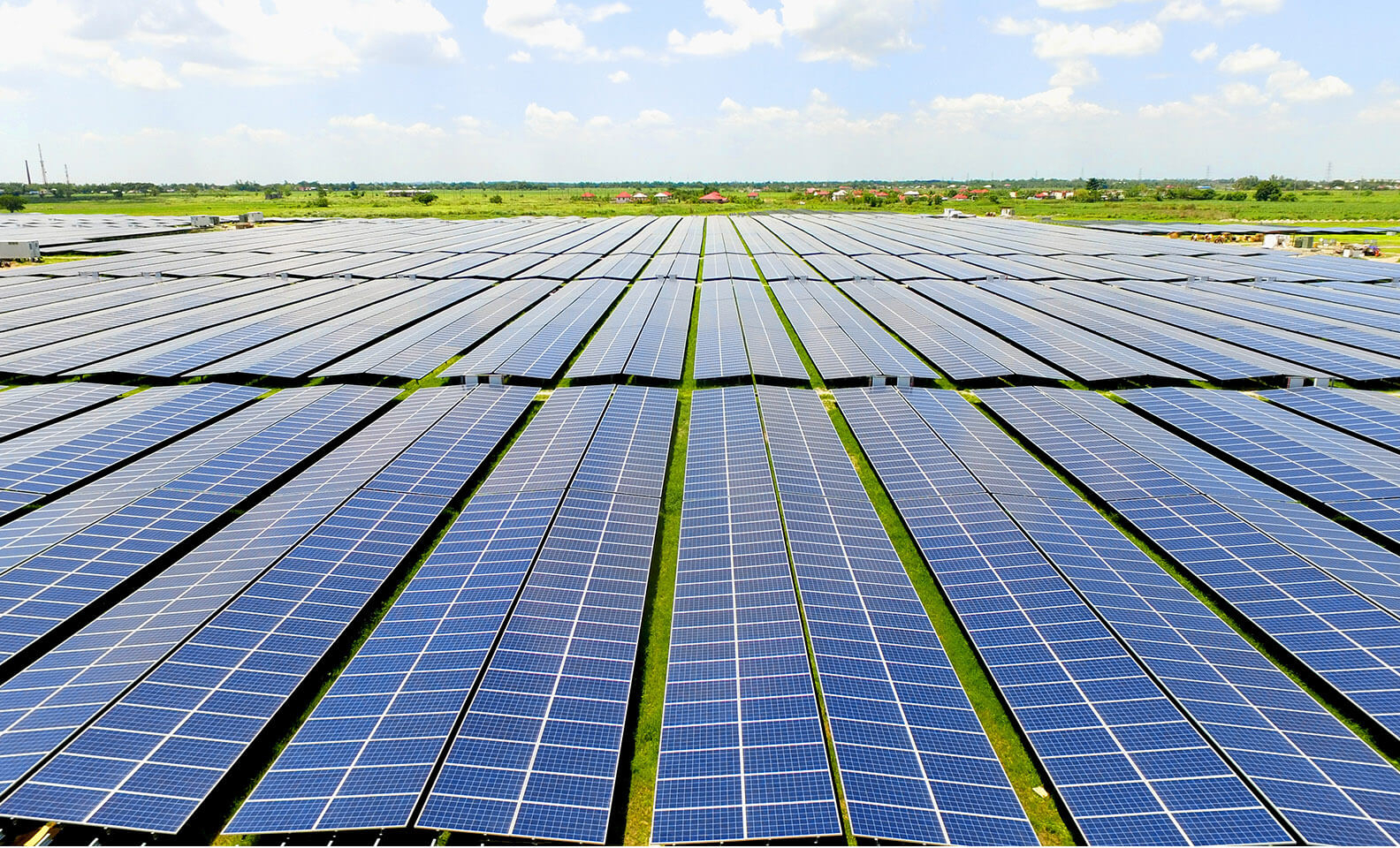
Africa has 40% of the world’s solar energy potential, significant wind corridors, and vast untapped hydropower and geothermal resources. This positions the continent as a renewable energy powerhouse for both local consumption and export. - Rising Energy Demand
By 2040, Africa’s energy demand is expected to more than double due to population growth and industrialization. Green energy solutions are increasingly the most cost-effective way to meet this demand. - Climate Finance Support
International climate funds, development banks, and impact investors are channeling billions into African green projects — from clean cooking technologies to reforestation programs. - Policy Alignment
Many African governments have incorporated green growth strategies into their national development plans, offering tax incentives, subsidies, and favorable regulations for sustainable projects.
Key Green Investment Sectors in Africa
1. Renewable Energy
- Solar Power: Countries like Morocco, Egypt, and South Africa are leading solar adoption. Projects such as Morocco’s Noor Ouarzazate Solar Complex showcase the scale of potential investment.
- Wind Energy: Kenya’s Lake Turkana Wind Power Project is the largest in Africa, demonstrating viability in wind-rich areas.
- Geothermal: Ethiopia and Kenya are tapping geothermal energy from the Rift Valley, providing stable and affordable electricity.
2. Sustainable Agriculture
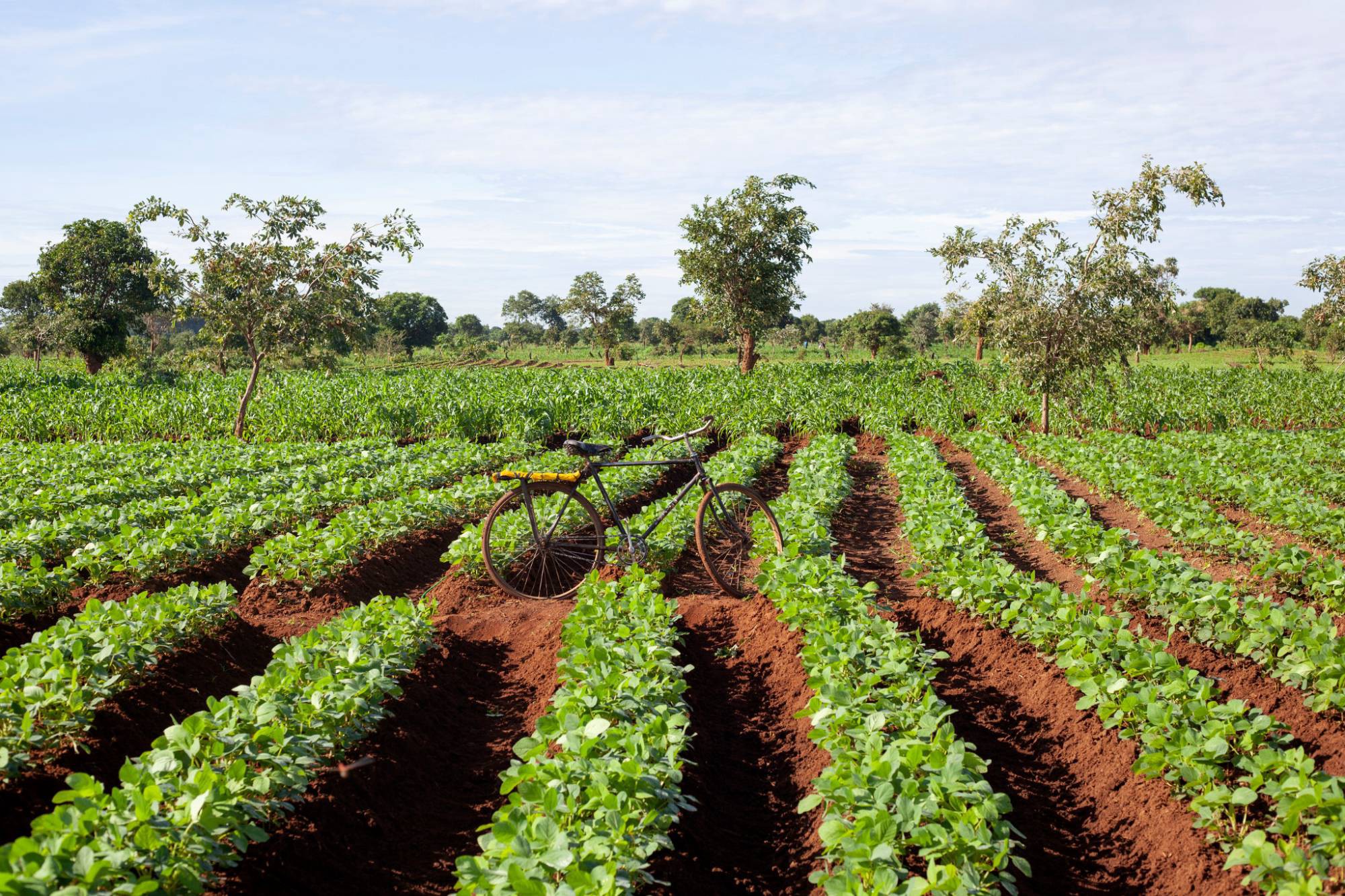
Agriculture accounts for a large share of Africa’s GDP but is vulnerable to climate change. Green investment in sustainable agriculture — such as drip irrigation, organic farming, and climate-smart seeds — offers both resilience and profitability.
3. Waste Management and Recycling
Urban growth has increased waste generation, but recycling and waste-to-energy businesses are turning this challenge into opportunity. Countries like Rwanda and South Africa are investing heavily in plastic recycling and circular economy models.
4. Green Real Estate and Construction
Demand for eco-friendly buildings is rising, especially in urban centers. Green construction practices — using renewable materials, energy-efficient designs, and solar-powered systems — are gaining traction in Kenya, Nigeria, and Ghana.
5. Electric Mobility
The shift to electric vehicles (EVs) in Africa is in its early stages, but investment in charging infrastructure, battery manufacturing, and EV assembly offers long-term growth potential.
The Role of Technology in Africa’s Green Future
Technology is a key enabler of profitable green investments:
- Smart Grids: Optimizing renewable energy distribution.
- IoT in Agriculture: Monitoring soil health and water use.
- Blockchain in Carbon Trading: Providing transparency and traceability in carbon offset markets.
- Mobile Platforms: Connecting rural communities to clean energy financing and solutions.
Challenges for Green Investments in Africa
While opportunities are vast, investors must navigate:
- Financing Gaps: Many projects require large upfront capital.
- Policy Uncertainty: Some countries lack consistent green energy regulations.
- Infrastructure Limitations: Poor transport and grid networks can delay deployment.
- Technical Skills Shortages: Specialized expertise in renewable energy and green technologies is still limited.
Strategies for Successful Green Investment in Africa
- Leverage Public-Private Partnerships (PPPs)
Collaborate with governments to secure favorable policies and financing. - Target Scalable Projects
Focus on models that can expand across multiple countries or regions. - Integrate ESG Metrics
Demonstrate social and environmental impact alongside profitability. - Engage Local Communities
Projects that create jobs and involve communities tend to be more sustainable.
Case Studies of Green Investment Success
Case Study 1: Solar Energy in Morocco
Morocco’s Noor Solar Complex is one of the world’s largest concentrated solar power plants. It has attracted significant foreign investment and powers over a million homes, reducing carbon emissions by hundreds of thousands of tonnes annually.
Case Study 2: Rwanda’s Green City Kigali
This sustainable urban development project integrates green building technologies, renewable energy, and eco-friendly transportation, showcasing Africa’s potential for climate-resilient cities.
The Future Outlook
The next decade will see Africa become a global hub for green innovation. Key trends include:
- Increased Blended Finance combining public funds with private capital.
- Regional Renewable Energy Trading through interconnected grids.
- Expansion of Carbon Credit Markets with African countries selling verified offsets globally.
- Local Manufacturing of Green Technologies such as solar panels and batteries to reduce import dependency.
According to the African Development Bank, Africa could attract $100 billion in green investments annually by 2030 if the right policies and infrastructure are in place.
Conclusion
The future of green investment opportunities in Africa is bright, driven by a combination of abundant natural resources, growing climate finance, and rising domestic demand for sustainable solutions. From renewable energy to sustainable agriculture, Africa offers investors a chance to achieve strong financial returns while contributing to global environmental goals.
For those willing to move early, align with local needs, and embrace innovative technologies, Africa’s green economy promises not just growth — but transformation.