Introduction
For companies operating in South Africa, preparing annual financial statements (AFS) is more than just a regulatory requirement—it is a critical part of corporate governance and tax compliance. Both the Companies and Intellectual Property Commission (CIPC) and the South African Revenue Service (SARS) require accurate reporting to ensure transparency, accountability, and proper taxation.
Failing to submit compliant statements can result in penalties, delayed filings, or audits, making it essential for business owners and finance teams to understand their obligations fully. This guide provides a clear overview of CIPC and SARS compliance requirements, filing processes, and best practices for annual financial reporting.
What Are Annual Financial Statements?
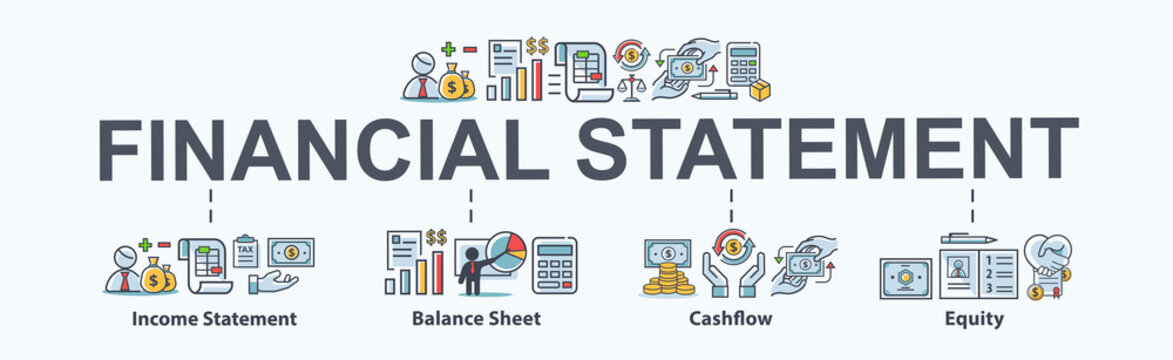
Annual financial statements are formal records that summarize a company’s financial performance over its financial year. They typically include:
- Statement of Financial Position (Balance Sheet)
- Income Statement (Profit & Loss)
- Cash Flow Statement
- Statement of Changes in Equity
- Notes to the Financial Statements
The statements provide insights into profitability, liquidity, and financial health, which are essential for stakeholders, investors, and regulatory authorities.
CIPC Compliance
The Companies and Intellectual Property Commission (CIPC) requires that certain companies submit annual financial statements according to the Companies Act, No. 71 of 2008.
Filing Requirements:
- Private Companies (Pty) Ltd: Generally, only audited or independently reviewed AFS if the company is above certain thresholds. Small private companies may be exempt from audits but must still maintain proper records.
- Public Companies: Must submit audited financial statements annually.
- Close Corporations: Similar reporting requirements apply, depending on size and revenue thresholds.
Submission Process:
- Prepare the financial statements according to the International Financial Reporting Standards (IFRS) for SMEs or full IFRS for larger entities.
- Appoint an auditor or independent reviewer if required.
- Submit statements through the CIPC eServices portal by the company’s financial year-end anniversary.
Non-compliance can result in penalties, fines, or restrictions on business operations.
SARS Compliance
The South African Revenue Service (SARS) uses financial statements as a primary source for assessing corporate tax liability. Companies must submit:
- Income Tax Return (ITR14): Annual return detailing income, deductions, and tax payable.
- Supporting Financial Statements: SARS requires statements to support taxable income claims.
Key Points:
- Financial statements must align with the Income Tax Act provisions.
- Any discrepancies between accounting profit and taxable income must be reconciled.
- Companies must retain records for at least five years in case of audit or verification.
- Late submissions can trigger penalties and interest, impacting cash flow and compliance status.
Deadlines and Timeframes
CIPC Deadlines:
- Annual financial statements are due within 30 business days after the annual return is submitted.
- Companies must check their financial year-end date to calculate submission deadlines accurately.
SARS Deadlines:
- ITR14 returns are typically due 12 months after the financial year-end for private companies.
- Provisional tax payments during the year must be reconciled with final returns to avoid interest or penalties.
Common Challenges
Companies often face difficulties in preparing compliant AFS:
- Poor Recordkeeping: Missing invoices, incomplete accounting records, or unverified entries can delay compliance.
- Misalignment Between CIPC and SARS Requirements: Accounting treatments acceptable for CIPC may not always align with tax reporting.
- Audit Complexity: Larger companies may struggle with audit timelines, especially if financial systems are outdated.
- Late Filing: Ignorance of deadlines can result in financial penalties and administrative burdens.
Best Practices for Compliance
- Maintain Accurate Records: Ensure all transactions are recorded correctly throughout the year.
- Use Professional Accounting Software: Digital tools help reconcile accounts and generate compliant reports efficiently.
- Engage Auditors or Reviewers Early: Avoid last-minute stress by appointing auditors well before deadlines.
- Align Accounting and Tax Policies: Reconcile differences between financial reporting and tax treatment.
- Monitor Deadlines: Maintain a calendar of CIPC and SARS submission deadlines to prevent late filings.
Benefits of Compliant Financial Statements
- Regulatory Compliance: Avoid penalties, fines, or legal complications.
- Enhanced Investor Confidence: Accurate reporting attracts investors and lenders.
- Improved Business Decisions: Financial insights support strategic planning and growth.
- Audit Preparedness: Smooth audit processes reduce risk and operational interruptions.
Conclusion
Annual financial statements are a cornerstone of corporate governance in South Africa. Compliance with both CIPC and SARS ensures legal adherence, supports tax efficiency, and promotes transparency for stakeholders.
For businesses, proactive planning, accurate accounting, and timely submission of AFS are essential to maintain good standing with regulators and strengthen financial credibility. By following best practices and leveraging professional support, companies can streamline reporting processes, reduce risks, and focus on sustainable growth.