
Introduction
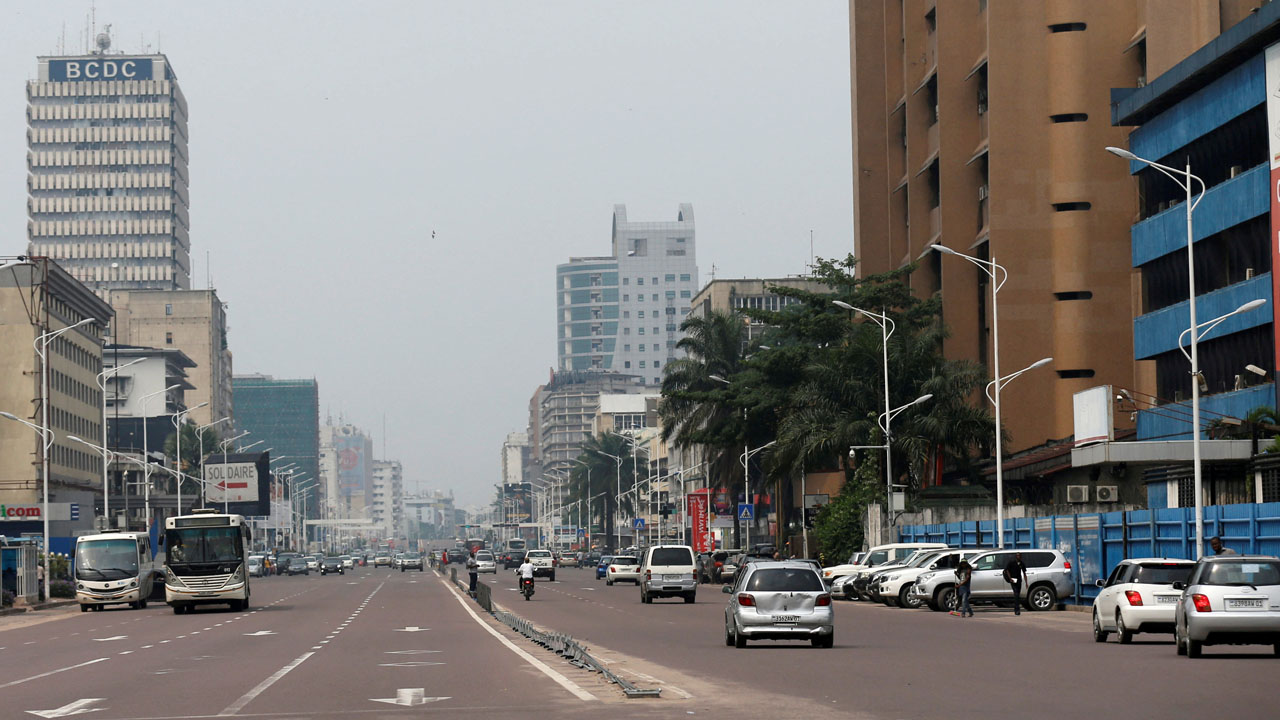
The Democratic Republic of Congo (DRC) is one of Africa’s most resource-rich yet underdeveloped markets — offering immense potential for investors in 2025. With its vast reserves of minerals, fertile land, and a growing consumer market, the DRC is attracting renewed interest from local entrepreneurs and international investors alike.
However, the DRC’s business environment also presents unique challenges: complex regulations, infrastructural gaps, and evolving governance systems. Success in this market depends not on chance but on strategy and preparation.
This article outlines a comprehensive 2025 checklist to guide investors through the process of entering and thriving in the Congolese market.
1. Conduct Comprehensive Market Research
Before investing in the DRC, you need to understand the country’s economic realities, consumer behavior, and sectoral opportunities.
Key Focus Areas:
- Identify viable sectors: Mining, energy, agriculture, telecommunications, logistics, and construction are currently leading growth areas.
- Understand regional markets: Economic conditions vary greatly between provinces — for instance, mining thrives in Katanga, while agriculture dominates in Kasai and Equateur.
- Assess competition and demand: Conduct field surveys and feasibility studies to determine real market gaps.
- Analyze currency and inflation trends: The Congolese Franc (CDF) can be volatile; plan for forex risks.
Thorough research helps you adapt your investment strategy to local realities rather than broad assumptions.
2. Choose the Right Legal Structure
Setting up a legal entity in the DRC is regulated under the OHADA Uniform Act, which standardizes business law across 17 African countries.
Common Business Forms:
- SARL (Société à Responsabilité Limitée) – Ideal for small and medium enterprises.
- SA (Société Anonyme) – Suitable for large corporations and investors seeking to raise capital.
- Branch or Subsidiary – For foreign companies expanding operations.
- Representative Office – For market exploration without commercial activity.
Your choice affects taxation, liability, compliance, and governance.
3. Register Your Business Properly
All new companies in the DRC must register with the Guichet Unique de Création d’Entreprise (GUCE) — the one-stop investment center.
Registration Process Includes:
- Obtaining a Certificate of Incorporation.
- Registering with the Commercial Court.
- Acquiring a Tax Identification Number (NIF) from the Direction Générale des Impôts (DGI).
- Registering with the National Social Security Fund (CNSS).
- Opening a local corporate bank account.
This process typically takes 7 to 10 business days when all documents are in order.
4. Understand Taxation and Incentives
Taxation in the DRC is governed by the General Tax Code. Corporate income tax is 30%, while VAT stands at 16%.
However, the government offers tax incentives to attract investors in key sectors, especially under the Investment Code and Special Economic Zones (SEZs).
Key Incentives Include:
- Reduced corporate tax for priority sectors (agriculture, energy, and manufacturing).
- Customs exemptions on imported equipment.
- Tax holidays for investors in underdeveloped provinces.
Work closely with a local tax consultant or legal advisor to take full advantage of these benefits while maintaining compliance.
5. Secure Necessary Licenses and Permits
Depending on your sector, additional licenses may be required:
- Mining & Natural Resources: Ministry of Mines and Cadastre Minier (CAMI).
- Energy & Infrastructure: Ministry of Energy and Hydraulic Resources.
- Telecommunications: Regulatory Authority of Posts and Telecommunications (ARPTC).
- Banking & Finance: Central Bank of Congo (BCC).
- Agriculture & Land Use: Ministry of Agriculture.
Obtaining these permits early prevents costly delays and ensures smooth operations.
6. Protect Your Investment Legally
DRC is a member of the Multilateral Investment Guarantee Agency (MIGA) and the ICSID Convention, which provide protection against political and commercial risks for foreign investors.
Investors are encouraged to:
- Sign bilateral investment treaties (BITs) when applicable.
- Use international arbitration clauses in contracts.
- Register intellectual property with the African Intellectual Property Organization (OAPI).
Legal protection ensures that your capital and assets remain secure even in a complex political environment.
7. Establish Local Partnerships
Local partnerships are essential for market entry success. The DRC’s business culture values relationships, trust, and community engagement.
Benefits of Partnering Locally:
- Easier navigation of administrative and cultural systems.
- Enhanced credibility with government bodies.
- Access to local networks and supply chains.
- Support with language (French and local dialects) and logistics.
Strategic joint ventures can also improve your chances of winning contracts and tenders.
8. Address Infrastructure and Logistics Challenges
Infrastructure in the DRC is improving but still limited, especially outside major cities.
Key Considerations:
- Transport: Roads and rail systems are under development — plan logistics carefully.
- Power: Electricity supply can be unreliable; invest in backup power solutions.
- Communications: Internet connectivity is improving but remains inconsistent in rural areas.
These challenges can be turned into opportunities by investing in self-sustaining infrastructure or partnerships with service providers.
9. Develop a Risk Management Plan
The DRC’s investment climate, while promising, can be volatile. A proactive risk management plan is crucial.
Common Risks:
- Political and regulatory changes.
- Foreign exchange fluctuations.
- Security concerns in certain regions.
- Bureaucratic delays and administrative bottlenecks.
Mitigation Strategies:
- Obtain political risk insurance through MIGA.
- Diversify investments across regions or sectors.
- Use local legal and financial advisors for compliance monitoring.
10. Focus on ESG and Community Relations
In 2025, investors in the DRC are expected to follow Environmental, Social, and Governance (ESG) standards. The government and international partners emphasize sustainability, ethical practices, and social impact.
Investors who prioritize:
- Community engagement,
- Environmental compliance, and
- Fair labor practices,
tend to earn stronger public trust and long-term stability.
Conclusion
Entering the DRC market in 2025 offers vast potential — but success requires careful planning, legal compliance, and cultural awareness. By following this market entry checklist, investors can minimize risk, navigate local challenges, and capitalize on opportunities in one of Africa’s fastest-growing frontiers.
The DRC rewards those who approach it with patience, preparation, and partnership. As the country continues to stabilize and reform its economy, now is the time for investors to position themselves for sustainable growth and strategic advantage.