How to Invest as a Foreign Investor and Maximize the Advantages
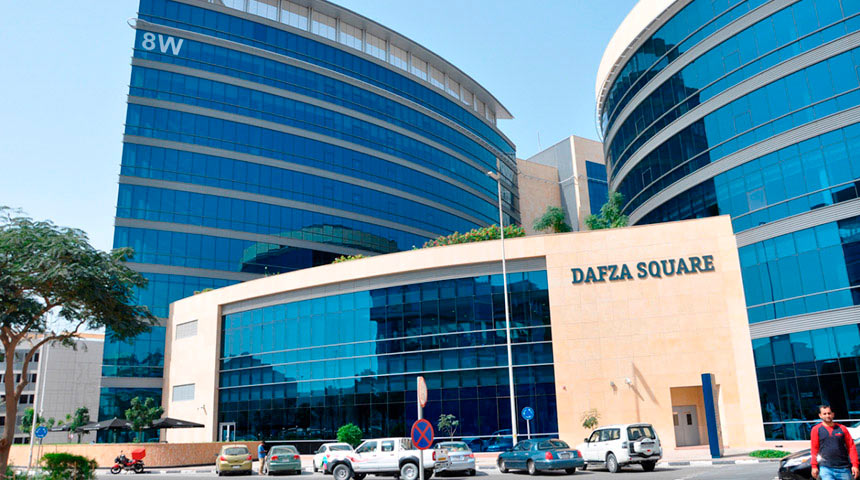
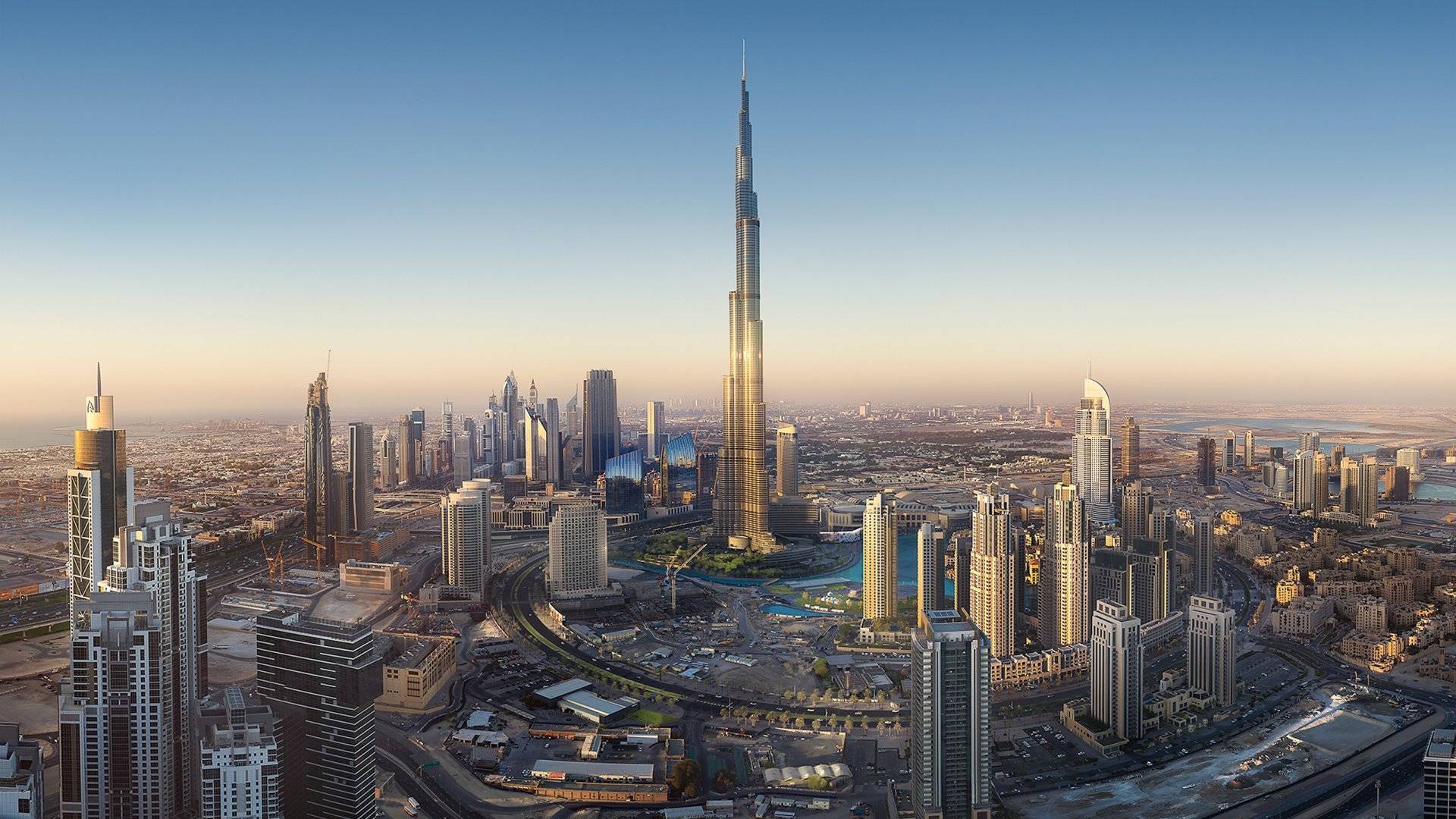
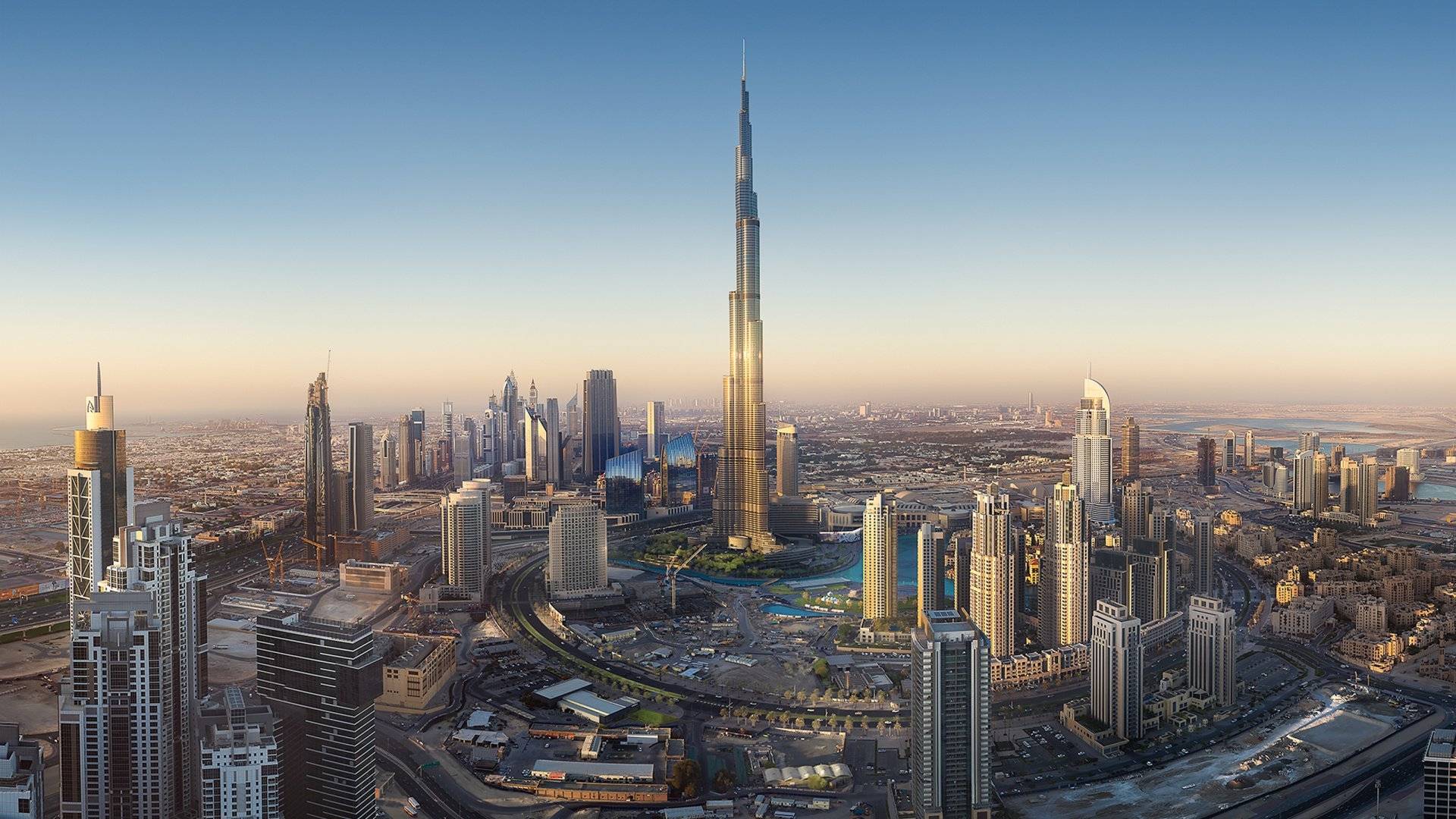
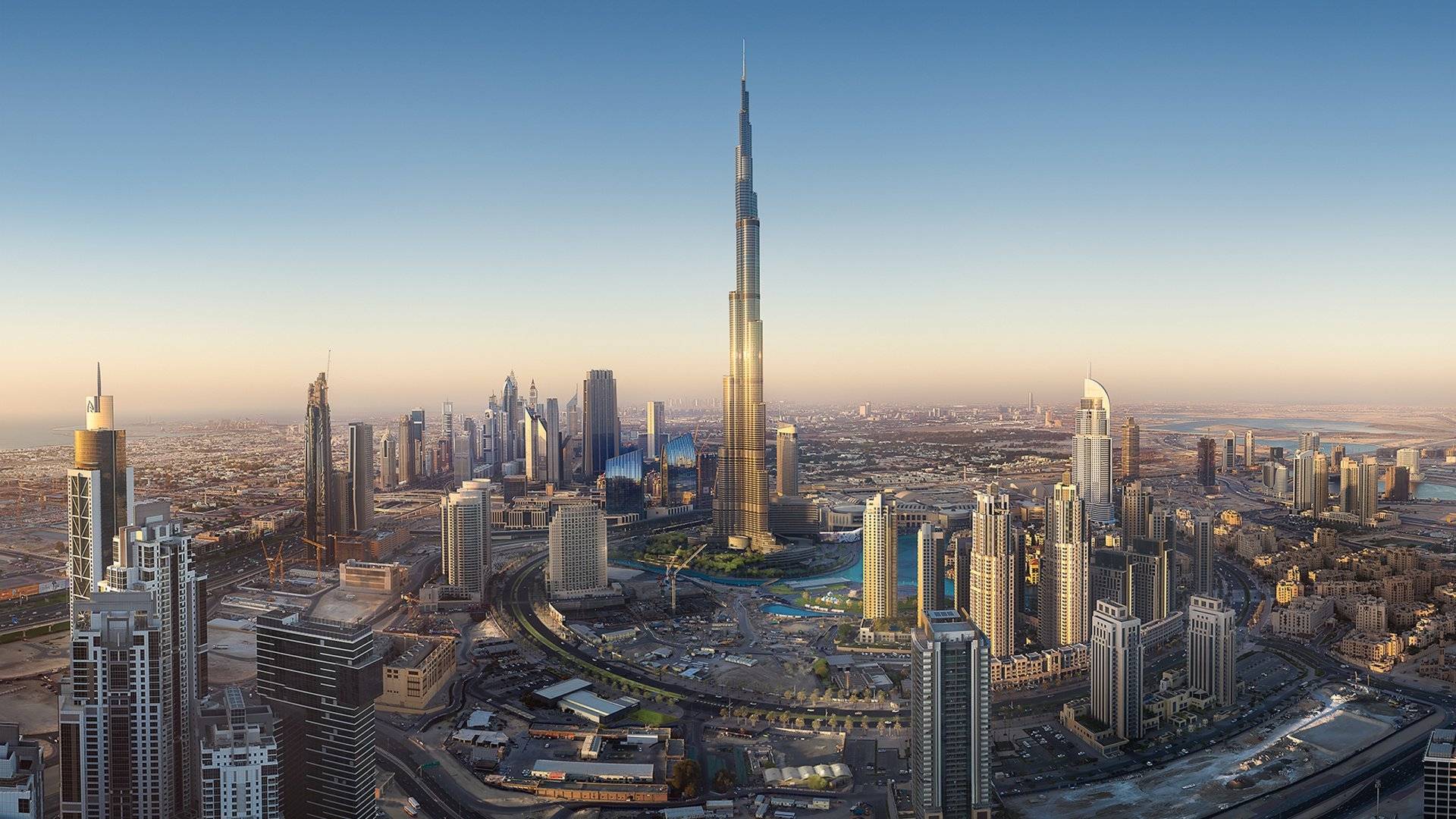
Dubai has firmly established itself as a global business hub, attracting entrepreneurs and corporations from every corner of the world. One of the key drivers behind its international appeal is the extensive network of Dubai Free Zones—special economic areas designed to attract foreign investors with a host of financial and operational benefits. If you’re a foreign investor looking to invest in Dubai, Free Zones offer an unmatched platform to start or expand your business in the UAE.
In this comprehensive guide, we explore how to invest in a Dubai Freezone, what makes them so attractive, the step-by-step setup process, and which Free Zones are best suited to various industries.
What Are Dubai Free Zones?
A Free Zone in Dubai is a designated area where businesses can operate with unique advantages such as 100% foreign ownership, 0% corporate and personal income tax, and customs exemptions. There are over 30 Free Zones in Dubai, each catering to specific industries like finance, media, logistics, and technology.
These zones were established to drive foreign direct investment (FDI) and support the UAE’s diversification strategy. The regulatory framework is business-friendly, efficient, and often provides services in multiple languages, making it ideal for international investors.
Why Foreign Investors Choose Dubai Free Zones
Foreign investors are increasingly choosing Dubai Free Zones for the following key advantages:
1. Full Foreign Ownership
In mainland UAE, a local sponsor or partner is typically required. However, in Free Zones, you retain 100% ownership of your business without the need for an Emirati partner.
2. Tax Incentives
Businesses operating in Dubai Free Zones benefit from:
- 0% Corporate Tax (on profits up to AED 375,000 as per the new UAE tax law)
- 0% Personal Income Tax
- No import or export duties within the Free Zone
- Full repatriation of profits and capital
3. Quick and Easy Setup
Setting up a Dubai Freezone company can be completed in just a few days. The process is streamlined with minimal bureaucracy, and many Free Zones offer digital portals for application and licensing.
4. Strategic Global Location
Dubai sits at the crossroads of Europe, Asia, and Africa, making it a strategic location for trade and logistics.
5. State-of-the-Art Infrastructure
From high-speed internet to advanced transportation networks and world-class office facilities, Dubai Free Zones offer modern amenities tailored to business needs.
6. Visa and Residency Benefits
Foreign investors can apply for residency visas for themselves, their families, and employees, allowing for easier travel and relocation.
7. No Currency Restrictions
There are no restrictions on the movement of currencies, making cross-border transactions seamless.
Step-by-Step Guide to Investing in a Dubai Freezone
Step 1: Define Your Business Activity
Before selecting a Free Zone, determine your core business activity. Whether it’s trading, manufacturing, tech development, or consulting, Dubai has a zone tailored for you.
Step 2: Choose the Right Free Zone
Select a Free Zone that aligns with your business sector. Popular choices include:
- Dubai Multi Commodities Centre (DMCC): Ideal for trading and commodities
- Dubai Internet City (DIC): Tech startups and IT firms
- Dubai International Financial Centre (DIFC): Banking and financial services
- Dubai South: Logistics, aviation, and trade
- Jebel Ali Free Zone (JAFZA): Manufacturing, industrial, and large-scale operations
Step 3: Select a Business Entity Type
Choose between:
- Free Zone Establishment (FZE) – Single shareholder
- Free Zone Company (FZC) – Multiple shareholders
- Branch of an existing company
Step 4: Apply for a Business License
Common license types include:
- Commercial License
- Industrial License
- Service License
- Freelancer Permit (for solo professionals)
Step 5: Choose Office Space
Options range from flexi-desks and virtual offices to full-floor setups and warehouses. Many zones offer scalable packages for startups.
Step 6: Submit Documents and Pay Fees
Typically required documents:
- Passport copies
- Business plan
- Passport-sized photos
- Proof of address
- Application forms
Step 7: Obtain Visa and Open Bank Account
Once your license is issued, you can apply for UAE residency visas and open a corporate bank account.
Best Free Zones for Different Business Types
Business Type
Recommended Free Zone
Tech Startup
Dubai Internet City (DIC)
E-commerce
Dubai CommerCity
Manufacturing
JAFZA or Dubai Industrial City
Finance
DIFC
Media & Design
Dubai Media City or Dubai Design District (d3)
Import/Export
DMCC or Dubai South
Cost of Setting Up in a Dubai Freezone
Costs vary based on the Free Zone, type of license, office space, and number of visas. However, on average:
- License & Registration: $4,000 – $10,000
- Office Space (annual): $2,000 – $20,000
- Visas: $1,000 – $2,000 per visa
Many Free Zones offer startup packages and payment plans to make entry more affordable.
Common Myths About Dubai Free Zones
Myth 1: You Can’t Do Business in Mainland UAE
Fact: While Free Zone companies cannot trade directly with the mainland, you can appoint a local distributor or set up a branch in the mainland to facilitate operations.
Myth 2: Only Big Businesses Can Benefit
Fact: Free Zones are equally suitable for startups, freelancers, and SMEs. Many zones offer flexible, low-cost packages to support entrepreneurs.
Myth 3: The Process is Complicated
Fact: Free Zone authorities streamline the entire process and often provide dedicated account managers to help with setup.
Final Thoughts: Why Dubai Free Zones Are a Prime Investment Choice
With political stability, modern infrastructure, a tax-free environment, and strategic global positioning, Dubai continues to be a beacon for foreign investors. Dubai Free Zones not only provide a low-risk, high-reward environment for new businesses but also offer the tools and support necessary for long-term success.
Whether you’re a solo entrepreneur, SME owner, or multinational executive, investing in a Dubai Freezone could be your gateway to scaling globally while enjoying world-class advantages.
Ready to Invest in Dubai? Now is the perfect time to explore the advantages of setting up your business in a Dubai Free Zone. With clear regulations, unbeatable tax benefits, and access to a thriving economy, the UAE welcomes your investment.