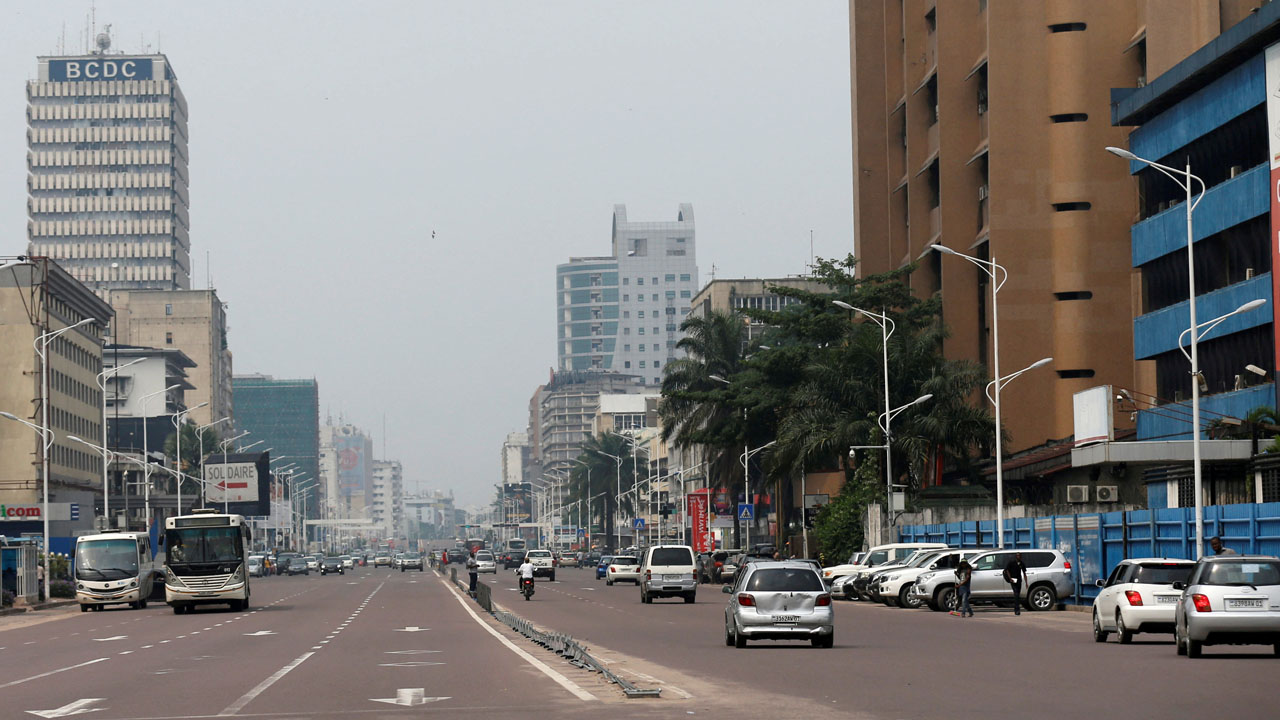

Entering the Democratic Republic of Congo (DRC) can be a game-changing move for businesses seeking growth in one of Africa’s most resource-rich and rapidly developing markets. However, success depends on how well you understand the market before investing. Conducting detailed market research helps investors identify opportunities, mitigate risks, and adapt strategies to local realities.
This guide outlines how to conduct comprehensive market research for DRC expansion — from collecting data and assessing demand to understanding competition, culture, and regulation.
1. Understand the Economic Landscape
The DRC is Africa’s second-largest country by area, strategically located in Central Africa with access to nine neighboring markets. Its economy is anchored by mining, energy, agriculture, and infrastructure, but new sectors such as telecommunications, construction, and retail are emerging rapidly.
When conducting market research, start by assessing:
- GDP growth and key sectors – Identify which industries are expanding (e.g., copper and cobalt mining, agriculture, logistics).
- Regional economic differences – Kinshasa and Lubumbashi dominate trade, but secondary hubs like Goma, Kolwezi, and Matadi are growing.
- Macroeconomic indicators – Inflation, exchange rate stability, and foreign investment inflows from sources such as China and South Africa.
Tip: Use reliable data sources such as the Central Bank of Congo (BCC), ANAPI reports, and regional development institutions for updated statistics.
2. Define Your Target Market
Understanding who your customers are and what they need is central to market entry success. In the DRC, demographics, income levels, and urban-rural divides vary widely.
Ask these key questions:
- Who is your target audience? (consumers, distributors, government, or businesses)
- What are their purchasing behaviors and price sensitivities?
- Where are they concentrated? (e.g., Kinshasa for services, Katanga for mining supplies)
- What distribution channels reach them best? (retail shops, agents, digital platforms)
Conduct consumer surveys, focus groups, and interviews with local stakeholders to gain firsthand insights.
3. Assess the Competitive Landscape
Understanding your competitors helps you position your product effectively. Identify both local and foreign players operating in your sector.
When analyzing competition:
- Study existing pricing structures, branding, and market share.
- Evaluate distribution and logistics strengths of competitors.
- Identify service gaps or inefficiencies you can capitalize on.
- Understand what gives competitors credibility — local partnerships, government ties, or international certifications.
Use desk research, trade fair participation, and industry associations to gather competitive intelligence.
4. Analyze Regulatory and Legal Requirements
The DRC’s business environment is governed by a combination of national regulations, OHADA commercial law, and sector-specific rules.
Research should include:
- Business registration and investment approval via ANAPI (Agence Nationale pour la Promotion des Investissements).
- Sector licenses (for mining, energy, telecoms, or banking).
- Taxation policies and import/export duties.
- Foreign ownership limits or partnership requirements.
- Employment and labor laws.
Engage a local legal consultant or corporate services provider to help interpret current laws and anticipate changes.
5. Evaluate Infrastructure and Logistics
A sound understanding of infrastructure is vital for planning supply chains and distribution networks. The DRC’s logistics are improving, but challenges remain.
Key areas to assess include:
- Transport: Roads, ports (Matadi, Boma), airports, and rail lines.
- Energy: Power reliability for industrial operations.
- Telecommunications: Internet coverage and mobile penetration.
- Warehousing and customs clearance: Efficiency of border posts and ports.
Mapping logistics routes and identifying infrastructure gaps early helps prevent costly operational delays.
6. Assess Political, Security, and Social Risks
Market research should not overlook country risk factors. Political transitions, security incidents, and local community relations can affect operations.
- Analyze provincial-level risks — conditions vary between Kinshasa, Katanga, and the eastern provinces.
- Consult risk reports from organizations like Control Risks or the World Bank.
- Engage local chambers of commerce and embassies for up-to-date assessments.
- Conduct community mapping to understand social expectations around employment and environmental impact.
Including social and political dimensions in research ensures realistic investment planning.
7. Identify Reliable Local Partners
Local partners are often the difference between success and failure in the DRC. They provide networks, navigate bureaucracy, and offer cultural insight.
During research:
- Identify potential distributors, joint-venture partners, or agents.
- Conduct due diligence to verify their reputation and financial stability.
- Understand their local influence and government relationships.
Building partnerships through business councils or investment forums can fast-track credibility.
8. Conduct a Feasibility Study
After gathering all the data, integrate it into a feasibility study to assess commercial viability. This should cover:
- Market size and demand forecast.
- Pricing and cost structure.
- Profitability projections.
- Regulatory and operational risks.
- Investment and funding needs.
A well-prepared feasibility report strengthens investor confidence and helps secure financing or ANAPI incentives.
9. Test the Market Before Full Entry
Before committing to large-scale investment, conduct pilot projects or limited rollouts. These tests provide real-world data about customer response, pricing, and logistics performance.
Examples:
- Opening a small office or representative branch.
- Running a product test in one province.
- Partnering with an established local firm for distribution.
These low-risk experiments validate your assumptions and allow course correction.
10. Use Insights to Build a Market Entry Strategy
Finally, translate your research into a concrete market entry plan. This should outline:
- Target provinces and sectors.
- Pricing and marketing strategy.
- Partnering and distribution model.
- Compliance and governance framework.
- 3–5-year growth projections.
When aligned with the DRC’s national development priorities, your plan is more likely to receive government and community support.
Conclusion
Conducting market research for DRC expansion is not just about gathering data — it’s about understanding the country’s business ecosystem and tailoring your strategy to fit its realities. The DRC rewards investors who approach the market systematically: those who validate assumptions, respect local dynamics, and plan for both risk and opportunity.
For best results, complement your research with insights from ANAPI, local chambers of commerce, and sector consultants who understand provincial variations. A data-driven approach today could be the foundation of long-term success in one of Africa’s most promising frontier markets.