Introduction
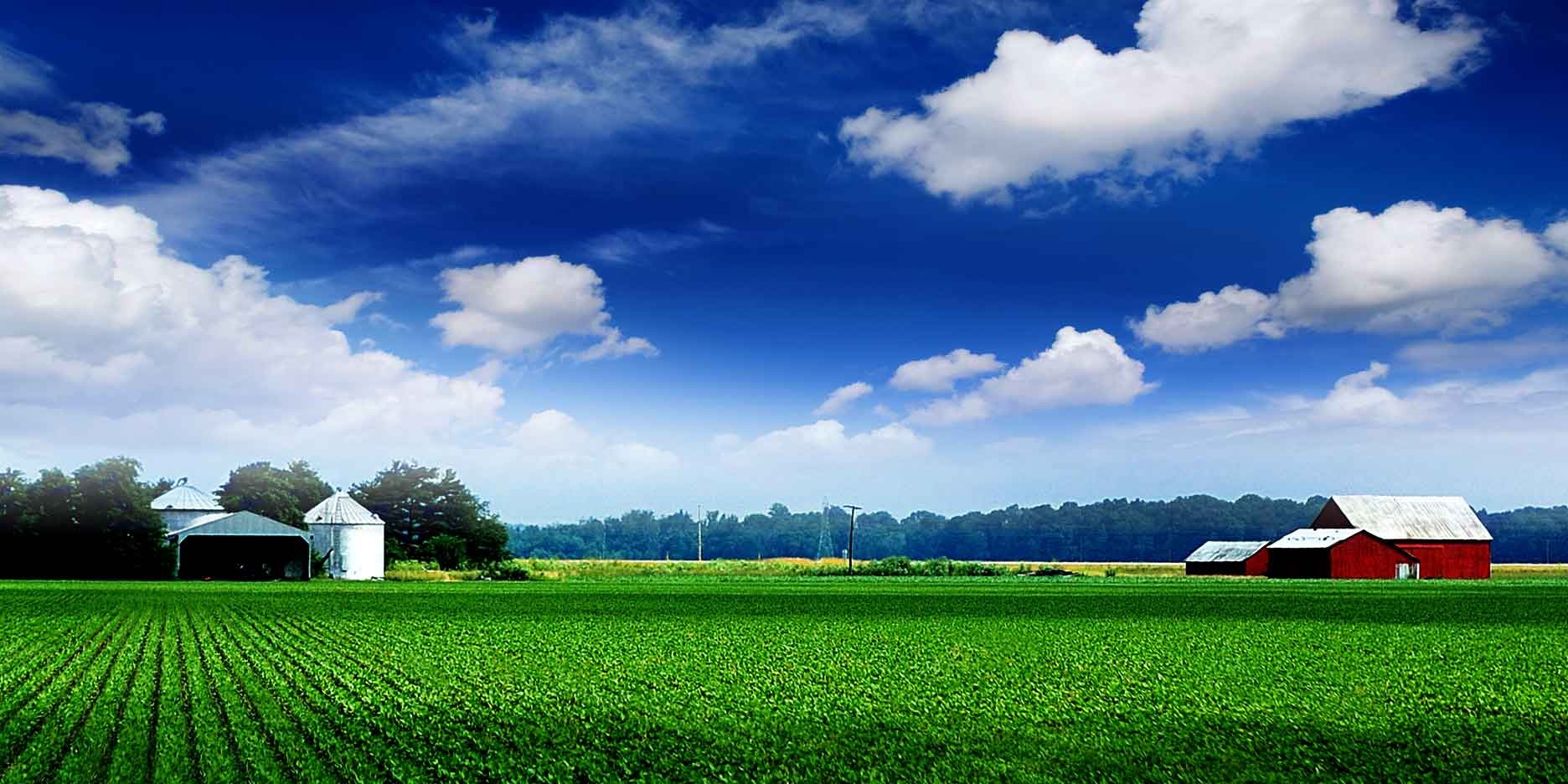
The Democratic Republic of Congo (DRC) is often recognized for its mining riches, yet its most underutilized treasure lies above ground — over 80 million hectares of arable land. Despite this enormous potential, less than 10% of the land is currently cultivated.
As the world faces growing demand for food, biofuels, and agricultural raw materials, the DRC represents one of the most promising frontiers for agribusiness investment in Africa. Fertile soils, abundant water resources, and a strategic central location position the country to become a regional food powerhouse.
This guide outlines how investors can seize opportunities in DRC agriculture while navigating its regulatory and operational landscape.
1. Overview of the DRC Agricultural Sector
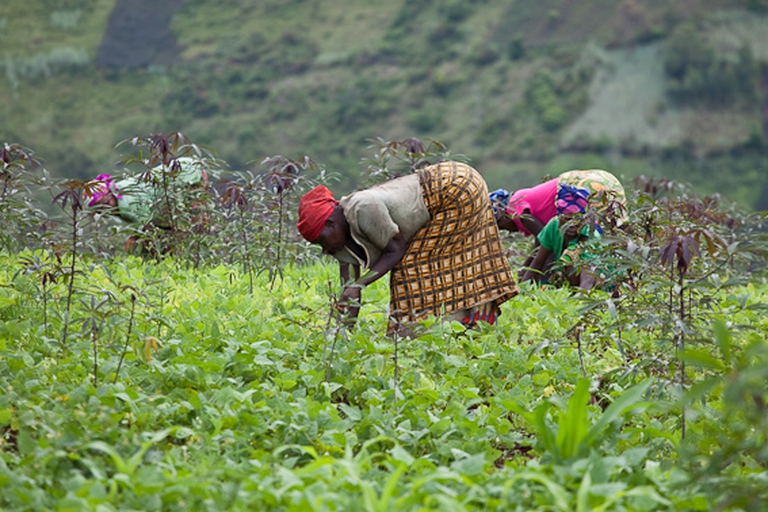
Agriculture employs nearly 70% of the Congolese population, yet contributes only about 20% to GDP due to low productivity and limited mechanization. The country imports much of its food despite its potential to feed not only its population but also neighboring countries in the SADC and COMESA regions.
Key facts:
- Over 80 million hectares of fertile land
- 4 million hectares currently under cultivation
- Abundant rainfall and multiple agro-ecological zones
- Rich river systems supporting year-round irrigation
The DRC’s agricultural landscape supports a wide variety of crops including maize, cassava, rice, oil palm, sugarcane, coffee, cocoa, and horticultural products.
2. Why Invest in DRC Agribusiness?
Several competitive advantages make the DRC a prime destination for agricultural investors:
- Vast Untapped Land: One of the largest reserves of arable land in Africa.
- Water Abundance: Home to over half of Central Africa’s freshwater reserves, ideal for irrigation.
- Favorable Climate: Multiple growing seasons and minimal risk of extreme drought.
- Market Access: Strategic trade position with nine neighboring countries.
- Growing Domestic Demand: A rapidly urbanizing population of over 100 million people.
- Government Support: Policies promoting agricultural modernization and private investment through public-private partnerships.
3. High-Potential Agribusiness Opportunities
a. Food Crops Production
The DRC imports large quantities of maize, rice, and wheat annually. Investments in mechanized farming and agro-processing could replace imports and boost food security.
b. Cash Crops for Export
- Coffee and Cocoa: Historical export crops with growing international demand.
- Oil Palm: The country’s tropical climate supports large-scale palm plantations.
- Sugarcane and Cotton: Opportunities for both domestic and export markets.
c. Livestock and Fisheries
Vast grazing lands in provinces such as Kasai and Katanga are ideal for cattle, poultry, and dairy farming. River and lake systems like Lake Tanganyika offer large-scale aquaculture potential.
d. Agro-Processing and Value Addition
Processing cassava, maize, and palm oil locally can significantly increase value and create jobs. Investors can benefit from incentives for establishing processing plants near production zones.
e. Horticulture and Floriculture
With growing global demand for organic produce, the DRC’s climate is ideal for fruit and vegetable exports to regional and international markets.
4. Government Policy and Incentives
The DRC government is committed to transforming agriculture from subsistence-based to commercial-scale production. Several reforms and incentives encourage investment in agribusiness:
- Agricultural Code (2011): Provides legal framework for land use, investment rights, and environmental management.
- Investment Code: Offers tax exemptions on imports of agricultural equipment and raw materials.
- ANAPI (National Investment Promotion Agency): Facilitates investor registration, permits, and fiscal incentives.
- Public-Private Partnerships (PPPs): Encourage collaboration between government and private investors for infrastructure and agro-industrial zones.
Additionally, foreign investors can lease agricultural land for long-term projects through agreements with provincial authorities or customary landholders.
5. Accessing Land for Agricultural Investment
Access to land in the DRC follows two main legal frameworks:
- State-Owned Land: Managed under national and provincial land authorities. Investors can obtain concessions or leases through formal applications.
- Customary Land: Controlled by traditional chiefs or local communities. Partnerships or negotiated agreements are common for such lands.
Due diligence is crucial to ensure clear land titles and avoid overlapping claims. Working with local authorities and land experts helps minimize risks during acquisition.
6. Financing and Partnerships
Investing in agriculture in the DRC often requires blended financing to mitigate risks. Common models include:
- Public-Private Partnerships (PPPs): Shared infrastructure and co-investment schemes.
- Development Finance Institutions (DFIs): Funding and guarantees from regional and international partners.
- Impact Investors and ESG Funds: Increasing interest in sustainable and socially responsible farming.
- Outgrower Schemes: Integrating smallholder farmers into large-scale commercial value chains.
Many successful agribusiness ventures in the DRC combine foreign expertise, local partnerships, and community engagement to ensure long-term sustainability.
7. Logistics and Market Access
Transport and logistics are improving, especially in corridors connecting agricultural zones to urban centers and export markets.
- Key transport routes: From Katanga to Zambia, Kasai to Angola, and Equateur to the Republic of Congo.
- Export opportunities: Access to Atlantic ports via the Congo River and to regional markets through SADC.
- Infrastructure developments: New road and energy projects under national development plans are opening up previously inaccessible agricultural land.
Investors should consider logistics as part of their feasibility studies and engage in integrated supply chain development.
8. Challenges and Risk Management
While the potential is immense, investing in DRC agriculture also involves challenges:
- Weak infrastructure: Limited rural roads and storage facilities.
- Regulatory complexity: Multiple layers of approval at local and national levels.
- Security in certain regions: Some provinces require additional risk assessment.
- Limited access to financing: Particularly for local farmers and SMEs.
To manage risks, investors should:
- Conduct thorough feasibility and environmental studies.
- Establish strong local partnerships.
- Align projects with national and community development goals.
- Ensure compliance with environmental and social standards.
9. Sustainable and Responsible Agribusiness
Sustainability is central to the future of DRC agriculture. Investors are encouraged to adopt environmentally sound practices, including:
- Conservation agriculture to protect soil fertility.
- Use of renewable energy for irrigation and processing.
- Reforestation and carbon credit projects.
- Inclusive employment and fair-trade models benefiting local communities.
Integrating ESG principles enhances reputation and improves access to global impact investment funds.
Conclusion
The DRC’s 80 million hectares of arable land represent one of the world’s last great agricultural frontiers. For investors with vision, capital, and long-term commitment, the rewards are significant—spanning food production, agro-processing, and export trade.
By combining modern technology with inclusive and sustainable practices, agribusiness investors can help unlock the DRC’s vast agricultural potential, reduce food imports, and create thousands of jobs.
The time to invest in DRC agribusiness is now—before the opportunity becomes the next African success story everyone is talking about.