Introduction
Zambia’s agriculture sector remains one of the most underutilized yet high-potential industries in sub-Saharan Africa. With over 58% of the landmass classified as arable, abundant water sources, and a growing export market, agriculture is poised to drive economic transformation in 2025 and beyond.
As the Zambian government intensifies its economic diversification efforts, agriculture is receiving renewed policy focus, budget allocation, and foreign direct investment (FDI). For local and international investors, this presents a unique window to capitalize on high-return, scalable opportunities across the agriculture value chain.
This article explores the key investment opportunities in Zambia’s agriculture sector for 2025, backed by data, government incentives, and real-world potential.
1. Commercial Farming and Mechanized Agriculture
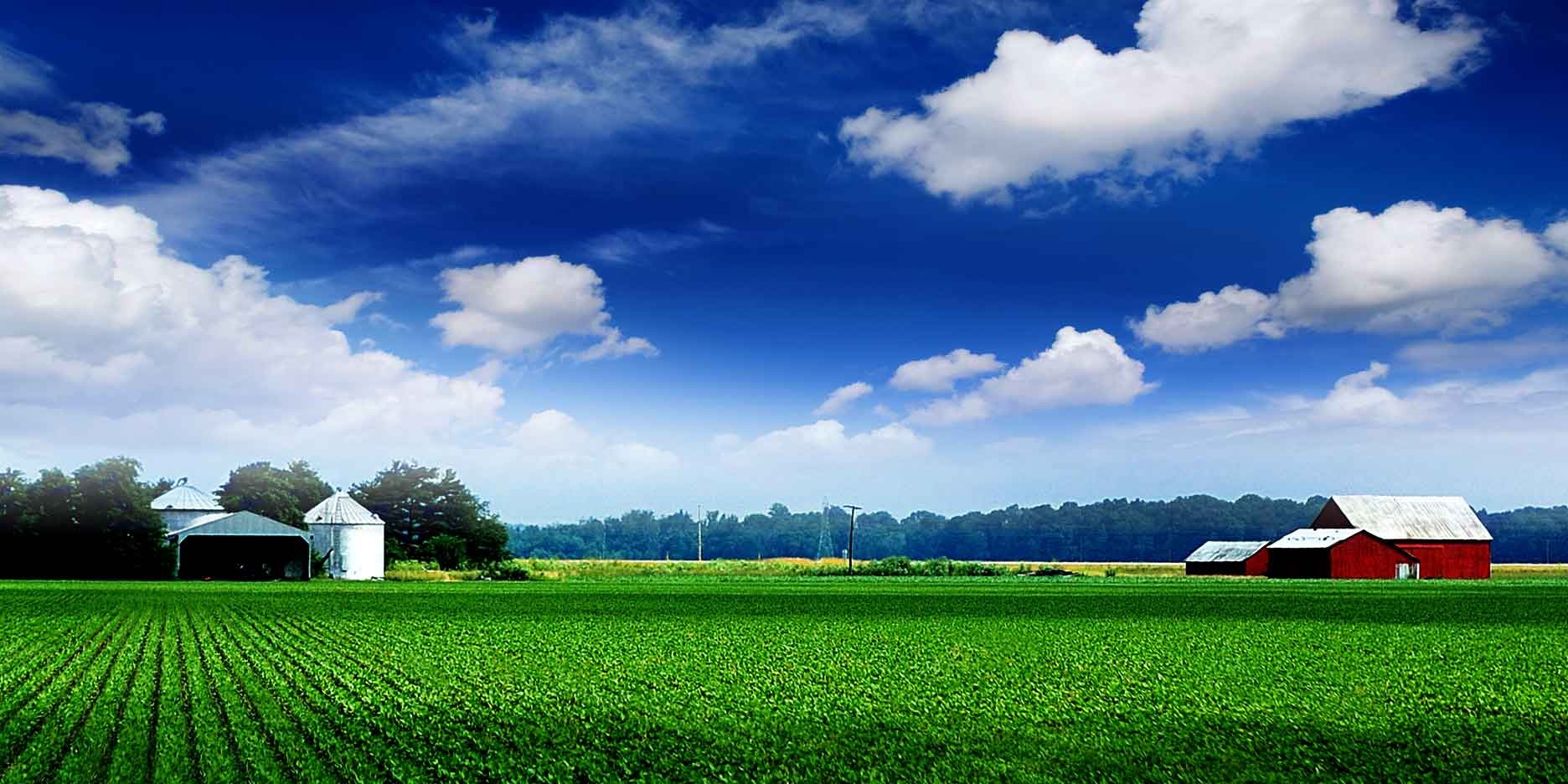
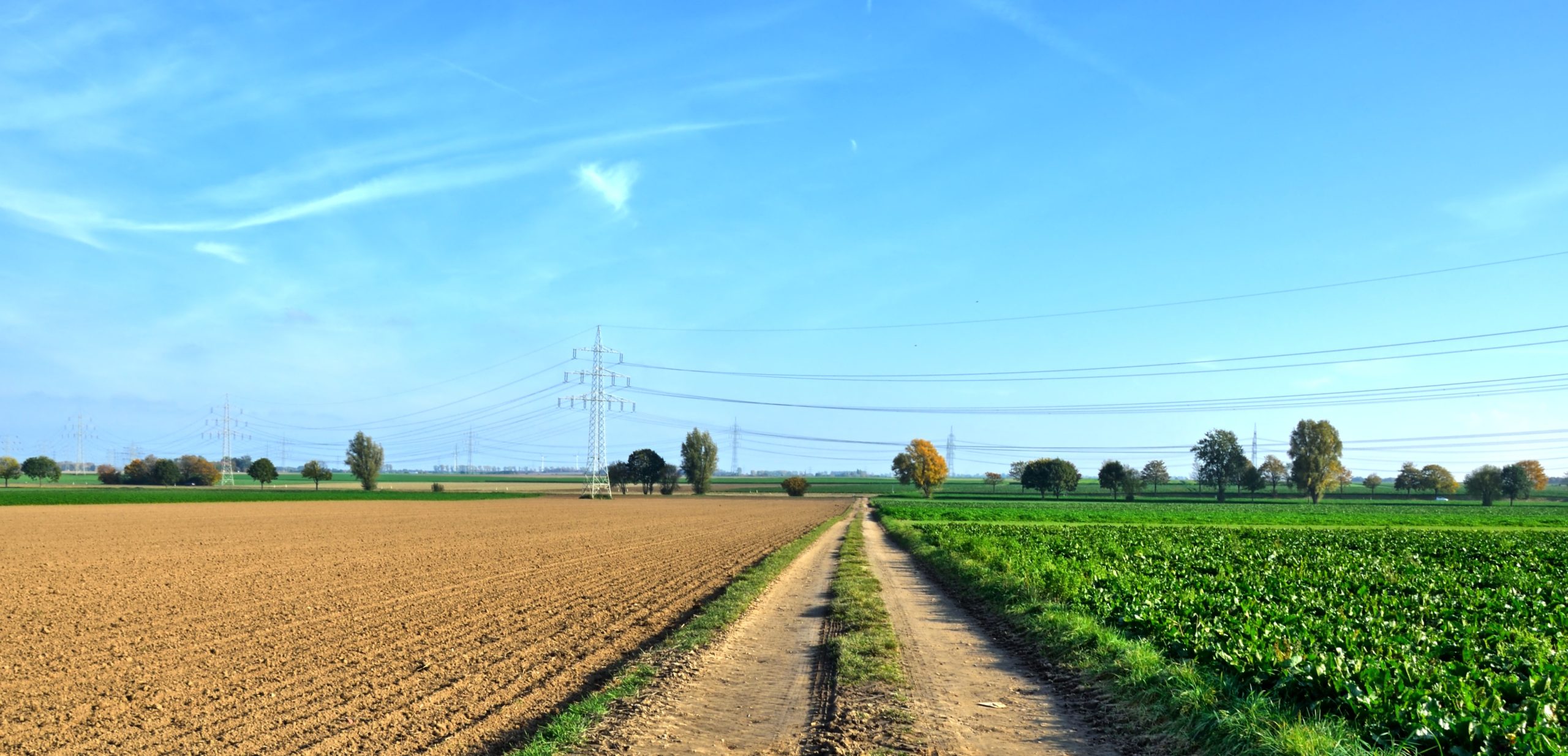
Zambia’s vast stretches of fertile land remain largely underutilized. Commercial-scale farming using modern methods offers an immediate investment opportunity in:
- Maize, soybeans, and wheat
- Groundnuts, sunflower, and cotton
- High-value horticultural crops (e.g., tomatoes, onions, peppers)
With government-backed farm blocks such as Nansanga, Luswishi, and Luena actively seeking private sector partners, land acquisition is more accessible than ever.
Why Invest?
- Competitive land lease prices and long-term tenure security
- Government-provided infrastructure in farm blocks (roads, power, water)
- Growing domestic demand and export access via SADC and COMESA
2. Irrigation Infrastructure and Water Management
Although Zambia has over 40% of Southern Africa’s water resources, only a fraction of agricultural land is irrigated. This creates massive opportunities for:
- Irrigation systems installation (center pivot, drip, etc.)
- Water harvesting and conservation technologies
- Private-public irrigation partnerships
Investment Entry Points:
- Partnering with farm block developers to provide turnkey irrigation solutions
- Leasing irrigated land to produce year-round crops
- Exporting high-demand, irrigated vegetables to Europe and the Middle East
Supportive Incentives:
The Zambian government offers zero duty on irrigation equipment imports and tax holidays for agro-infrastructure projects.
3. Agro-Processing and Value Addition
Over 70% of Zambia’s agricultural produce is sold raw with minimal processing. Agro-processing investments are urgently needed to reduce post-harvest losses and increase farmer incomes.
Key Sectors:
- Maize milling and packaging
- Oilseed processing (soy, sunflower)
- Fruit drying and juice production
- Meat and dairy processing
- Groundnut paste and nut butter production
Advantages:
- High local demand for packaged food products
- Opportunity to replace expensive imports with local goods
- Access to export markets with preferential trade terms (AGOA, EU EBA)
Government Support:
Investors benefit from investment tax credits, accelerated depreciation, and duty-free capital equipment imports under the Zambia Development Agency (ZDA) incentives.
4. Horticulture and Export-Oriented Farming
Zambia’s climate, especially in areas like Chisamba, Chongwe, and Livingstone, is ideal for horticultural crops. Growing export demand is driving investments in:
- Avocados
- Chilies and peppers
- Green beans
- Roses and cut flowers
- Blueberries and strawberries
These crops can target high-value export markets such as the EU, UK, and GCC region.
Why It’s Attractive:
- Year-round production cycles with irrigation
- Low labor costs and high-quality produce
- Potential for contract farming or out-grower schemes
Note: Exporters are required to comply with phytosanitary and GLOBALG.A.P standards—but Zambia has support institutions to help new exporters meet these benchmarks.
5. Poultry and Livestock Production
Rising urbanization and a growing middle class are boosting domestic demand for animal protein. Investment opportunities include:
Poultry:
- Broiler and layer farming
- Hatcheries and breeding operations
- Feed mill production
- Cold storage and packaging units
Livestock:
- Beef fattening (feedlots)
- Dairy production and processing
- Goat and sheep farming for local and export markets
Zambia’s proximity to the DRC, Angola, and East African markets provides strategic access for exporting meat and dairy products.
Government Incentives:
- Support for veterinary infrastructure
- Reduced tariffs on animal feed and veterinary drugs
- Feedlot investments can qualify for industrial rebates
6. Agricultural Technology and Smart Farming
Zambia’s young, tech-savvy population and increasing mobile penetration make it ideal for agritech investment.
Opportunities:
- Mobile apps for weather forecasting and crop management
- E-wallet and digital payment systems for farmers
- Drone-based mapping and monitoring
- IoT-enabled irrigation and greenhouse systems
Startups in Lusaka and Copperbelt are already testing MVPs, but funding and partnerships are needed to scale.
Investment Approaches:
- Angel investing or venture capital for Zambian agritech startups
- Licensing global agritech solutions for local deployment
- Creating B2B platforms linking farmers to input suppliers and buyers
7. Fertilizer and Agro-Inputs Production
Zambia depends heavily on imported fertilizer, seeds, and chemicals—creating a massive opportunity to establish local production or distribution hubs.
Hot Opportunities:
- Organic fertilizer production from agro-waste
- Local formulation and blending of NPK fertilizers
- Establishing agro-dealer networks in rural areas
- Production of hybrid seeds and drought-resistant varieties
The recent policy shift toward smart subsidies and e-voucher distribution is increasing smallholder purchasing power and transparency—making input supply a highly scalable business.
8. Warehousing and Cold Chain Infrastructure
Zambia faces severe post-harvest losses, especially for perishables and grains, due to inadequate storage facilities.
Investment Options:
- Climate-controlled warehouses and silos
- Solar-powered cold rooms for rural areas
- Mobile storage units and logistics tech
- Public-private partnerships with the Food Reserve Agency
Warehousing also opens the door to commodity-backed financing models, such as warehouse receipt systems.
Returns Potential:
- Steady income from storage rental
- Integration into supply chain finance models
- Serving regional cross-border trade
9. Organic and Sustainable Agriculture
Consumer preferences globally and locally are shifting toward organic, traceable, and environmentally friendly farming.
Investment Segments:
- Certified organic farming (vegetables, herbs, teas)
- Export-oriented organic cotton
- Natural pesticides and biological control inputs
- Compost production and soil health solutions
Zambia’s low chemical usage makes certification easier for investors pursuing niche international markets.
10. Agritourism and Farm-Based Ventures
Zambia’s tourism and agriculture sectors intersect in a unique way through agritourism.
Examples:
- Farm lodges and rural retreats
- Wine and fruit estate experiences
- Farm-to-table restaurants and cooking tours
- Educational farms for schools and tourists
With proximity to Victoria Falls, national parks, and safari trails, farm ventures that combine eco-tourism and sustainability have high appeal for both local and foreign visitors.
Challenges to Consider (and Solutions)
While Zambia’s agriculture sector is promising, investors should be mindful of:
- Infrastructure gaps (roads, energy in rural areas)
- Land acquisition bureaucracy
- Weather variability and climate change
However, these challenges are being addressed through:
- Public-private partnerships for infrastructure
- Digitized land titling systems
- Climate-smart agriculture policies
- Donor-funded programs for resilience and innovation
Working with local consultants, NGOs, and community-based organizations helps to mitigate risks and enhance social impact.
Conclusion
Zambia’s agriculture sector in 2025 offers a diverse, scalable, and high-impact investment landscape. From commercial farming and irrigation to value addition and agritech, the opportunities are ripe for early movers—especially those who align their business models with sustainability, local partnerships, and regional integration.
By leveraging supportive government incentives, growing export potential, and regional food demand, investors can not only achieve high ROI but also contribute meaningfully to rural development, job creation, and food security in Zambia.